
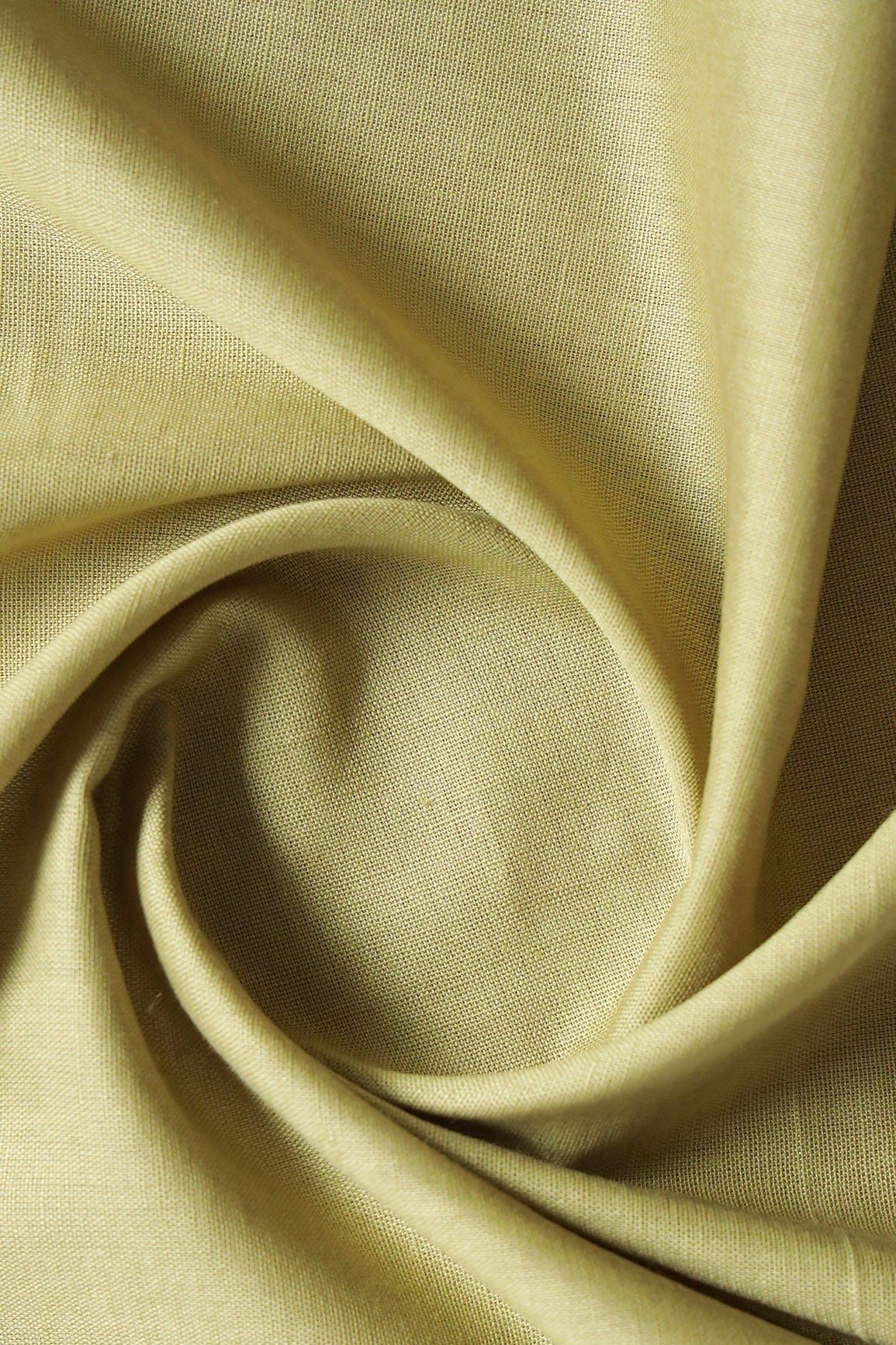
Check dyed fabric colour before stitching by comparing the delivered material with your agreed reference, then viewing it beside the other outfit fabrics under the same lighting. Keep any uncertainty separate from a construction decision: do not cut, wash or try to recolour fabric before clarifying a concern and the applicable seller terms.
- Check dyed fabric colour before cutting, processing or stitching.
- Compare the delivered fabric with the agreed product reference and outfit materials.
- Doeraa suits shoppers choosing dyed fabric for coordinated custom outfits.
- A screen image or shared colour name does not confirm an exact match.
Why colour approval should come before the cutting table
A colour decision becomes harder to change once the garment is underway. Before that point, you can still clarify whether the delivered material matches the agreed description and whether it suits the design. Keep those as separate questions.
When selecting dyed fabrics, retain the product reference and the details confirmed at ordering. A screenshot alone can lose the context of the listing. Written colour information belongs beside the image.
For a 2026 outfit, agree who will approve colour before the fabric goes to the tailor. A shopper, designer and cutting team can otherwise assume someone else has checked it. The approval should be explicit enough to act on.
How do you check dyed fabric colour before stitching?
Use this receiving and approval sequence:
- Match the delivered piece to the correct order reference.
- Review the written colour description and any agreed clarification.
- Inspect the material in clear, consistent lighting.
- Compare it with the actual outfit components it will touch.
- Record a match, deliberate contrast or unresolved concern.
- Clarify concerns before cutting or processing the fabric.
| Reference method | Best for | Main value | Limitation |
|---|---|---|---|
| Written colour description | Confirming what was ordered | Keeps the seller's stated reference visible | A colour name is not an exact physical standard |
| Product photograph | Reviewing design intent | Shows the photographed appearance | Screens and lighting affect what you see |
| Actual outfit materials | Coordinating components | Allows a side-by-side comparison | Still needs consistent viewing conditions |
| Agreed physical reference, where available | A precise approval discussion | Gives both parties a shared object to compare | Availability and terms require confirmation |
No single reference answers every question. Use the order details to identify the product and the actual materials to judge the outfit relationship. Do not confuse coordination preference with proof of an order error.
Identify the fabric before judging it
Check the product reference, order details and the piece supplied. Similar shades can be difficult to distinguish once several parcels or cuts are opened together. Keep each fabric connected to its own record.
If the order includes several components, label their intended roles without marking or altering the material in a way that conflicts with seller guidance. The goal is identification, not processing. Use the packaging and documentation where suitable.
Doeraa supplies fabric to individual shoppers, boutiques and wholesale buyers. The same receiving discipline applies to a single outfit and a larger sourcing enquiry. A clear reference makes any question easier to investigate.
Read the colour description alongside the image
Compare the written description with what was agreed before the order. Note any specific clarification from the seller. Do not replace that information with a memory of how a photograph looked on a different device.
If the description and your interpretation differ, ask a precise question. Identify the product and explain the colour element that concerns you. That is more useful than sending an unlabelled photograph and saying it looks wrong.
For your 2026 approval record, separate confirmed details from preferences. You can decide a colour does not suit your planned pairing without claiming the wrong item was supplied. The appropriate next step depends on the actual facts and policy.
Use consistent viewing conditions
Place the materials together so they are viewed under the same light. Avoid comparing one image taken in one setting with another material viewed elsewhere. You want to assess the relationship, not differences in photography.
Look at a wider area as well as a small section. Folds, shine and texture affect the visible appearance. A bright highlight should not be treated as the only evidence of the base shade.
Keep the comparison practical:
- Inspect the actual material, not only its photograph.
- Compare components at the same time.
- Use clear lighting for the initial check.
- Review open and folded areas where relevant.
- Record uncertainty rather than guessing.
This is a visual approval process, not a laboratory colour measurement. If the project needs a more precise standard, agree on an appropriate method with the seller or relevant professional before committing.
Compare the fabrics in the positions they will occupy
A blouse fabric beside a skirt is a different colour relationship from a lining beneath sheer net. Arrange the materials as the garment will use them. The position can change what you see.
If you are pairing dyed fabric with net embroidery fabric, compare the underlayer beneath both open and embroidered areas. A lining affects the complete visible surface. Do not judge it only as a separate rectangle.
For a plain component beside embroidery, choose the reference element explicitly. You might repeat the base, one thread colour or a deliberate contrast. The approval should state which relationship you want.
Check colour separately from texture and shine
Ask whether the apparent difference comes from the shade or the surface. A shiny area can catch light differently from a matte area. This does not establish a particular fibre composition or a product defect.
Read the actual material details when texture matters to your garment. Do not infer silk, cotton or another fibre from appearance. A visual coordination decision still needs the correct product information behind it.
For a 2026 outfit, compare the full combination with any decorative trims or jewellery you already intend to use. You do not need to match every element. You do need to know whether the relationship is deliberate.
Keep care checks material-specific
Colour approval is not permission to wash or test every fabric at home. Follow the seller's guidance for the actual material, especially when embroidery or decorative elements are present. Ask a qualified professional about any proposed treatment.
Do not apply a generic rubbing, soaking or dyeing method simply because the material is described as dyed fabric. The base, finish and decoration can have different requirements. An improvised test can alter the item before a concern has been resolved.
If your tailor needs preparation before cutting, confirm the process with the relevant product and care information. Agree on who is responsible for the check. A clear plan is safer than a casual instruction passed between several people.
Raise any concern before alteration
If the delivered material appears different from the agreed order, document the reference and contact the seller before cutting or processing it. Ask how the concern should be reviewed. Follow the actual policy and instructions supplied.
Do not assume an exchange or return is available for every cut fabric order. Equally, do not assume you have no route to ask a question. The seller's current terms determine the process, and your enquiry should identify the item clearly.
Keep a concise record:
- Order and product reference.
- The description or clarification agreed before purchase.
- The concern you want reviewed.
- Photographs requested by the seller, if any.
- The reply and next steps received.
This is a documentation step, not an accusation about the supplier. A specific record helps both parties discuss the same issue without relying on an ambiguous image.
Approve the colour before releasing the fabric to stitch
Once the product and outfit pairing are confirmed, tell the tailor the chosen relationship. State whether it is a close match, tonal pairing or contrast. Keep that instruction with the garment sketch.
If the material is for a boutique, make the approval visible to the receiving and production teams. Nobody should have to guess whether a piece is cleared for cutting. Keep unresolved items separate from approved work.
For your 2026 order notes, retain the product details for future reference. A later order still requires its own confirmation. The old record helps you ask a clearer question; it does not guarantee an identical future shade.
Does the same colour name guarantee a match?
The same colour name does not guarantee an exact match between fabrics. Compare the actual materials and consider texture, shine and placement. Use the name for identification, not as the entire approval method.
If exact coordination is essential, agree on the reference before purchasing. Ask what information or comparison method is available. Do not create a standard after delivery that neither party previously agreed to use.
Should you check fabric before giving it to the tailor?
Check product identity and colour before authorising cutting. Your tailor can help assess the pairing and construction, but the design approval should be explicit. Do not assume fabric received by the tailor is automatically approved.
If you need the tailor's input, mark the piece as awaiting that decision. A clear pause on construction is more useful than a vague instruction to have a look. Confirm the decision before the garment progresses.
Why can the colour relationship look different?
Several factors affect the comparison:
- Lighting: the conditions in which both materials are viewed.
- Screen display: how a photograph is rendered on a device.
- Surface: texture, folds and reflective areas.
- Placement: whether fabrics lie beside or over each other.
- Scale: how much of each colour is visible.
- Reference: whether both parties are comparing the same agreed item.
These factors explain why photographs are useful but incomplete. They do not prove that every difference is harmless or that every concern is a supply error. The actual order details and inspection must settle the question.
FAQ
When should I check dyed fabric colour?
Check colour before authorising cutting, washing or other processing. Compare the delivered fabric with the order reference and the actual outfit materials.
Can I rely on a phone photograph for an exact match?
A phone photograph does not establish an exact match. Use the product details and compare the actual materials together when colour precision matters.
Should lining be checked underneath the outer fabric?
Check lining underneath the outer fabric, especially when it is sheer. The underlayer affects the visible colour and coverage of the combination.
What if the delivered shade seems different?
Document the product reference and concern, then contact the seller before altering the fabric. Follow the applicable policy and the review instructions provided.
Can I dye the fabric again to correct a mismatch?
Do not assume the fabric is suitable for recolouring. Have a qualified dyeing professional assess the exact base, finish and decoration before considering treatment.
Does a previous order guarantee the next one will match?
A previous order does not by itself guarantee an identical future shade. Use the earlier reference to ask a precise repeat-order question and confirm the current material.
One last thing: separate approval from arrival
A parcel arriving is not the same event as the fabric being approved for your 2026 outfit. Record the colour decision before cutting starts. That small distinction protects both the design brief and the receiving process.
Doeraa dyed fabric suits shoppers coordinating custom outfits when colour is checked before construction. Keep the order reference, comparison and final approval together.


Leave a comment
This site is protected by hCaptcha and the hCaptcha Privacy Policy and Terms of Service apply.