

Boutique fabric wholesale is planned sourcing for client garments or a shop collection, with the aim of buying materials that suit both the designs and the business. A first order needs clear product references, confirmed quantities and written terms; a visually appealing shortlist is not yet an order specification.
- Fabric wholesale for boutiques starts with garment needs and confirmed product details.
- Record usable width, composition, colour and embroidery direction for every selected fabric.
- Doeraa serves boutique and wholesale buyers alongside individual fabric shoppers.
- Confirm current ordering, delivery and returns terms rather than assuming trade policies.
Why fabric wholesale matters for boutiques
A boutique buys fabric to deliver another promise: a finished outfit, a client brief or a planned collection. A vague specification creates uncertainty at the cutting table and in the customer conversation. Resolve that uncertainty before committing to the order.
Begin with your own garment requirements, then compare embroidery fabrics against them. A retailer's broad range is a starting point, not a substitute for a sourcing brief. Record which fabrics serve which garments.
For a 2026 first order, keep design approval separate from commercial approval. Your team should know both why the material fits the collection and which ordering terms have actually been confirmed. Neither decision should depend on an assumption made by the other person.
Build a first-order checklist your tailor can use
Define the garments and customer use
Start with sketches, client briefs or planned garment types. Identify the purpose of each fabric before discussing quantity. A decorative dupatta, structured blouse and flowing kurta need different evidence from a listing.
If you are building a collection without confirmed client orders, write down the intended wearer and occasion. This does not establish demand, but it prevents an unrelated assortment from becoming the default. Be explicit about which choices are exploratory.
Use the manual starting point: a shared document or sourcing sheet. You do not need a complicated system to record a clear brief.
- Name the garment or collection role.
- Identify the desired drape and coverage.
- Mark important embroidery placements.
- Record the colour relationship between components.
- Note whether the fabric is for a confirmed project or exploration.
Create one record for each product
Use the exact product reference rather than a nickname such as pink floral. Similar colours and motifs can appear across different items. The reference should connect the enquiry, order and eventual delivery.
Check the actual composition, usable width and care details. Separate information supplied by the seller from questions still awaiting an answer. A blank field should remain visibly unresolved, not silently become a guessed specification.
For your 2026 sourcing record, keep the selected image with the written reference. Photographs support design approval, while the written details settle material questions. Neither should replace the other.
- Product title or agreed reference.
- Exact product link where supplied.
- Stated base and composition.
- Confirmed usable width.
- Colour description and embroidery details.
- Care information and unanswered questions.
Ask a specific wholesale enquiry
Doeraa supplies embroidered and dyed fabrics to boutiques and wholesale buyers, as well as individual shoppers. Use that context to send a precise enquiry. State the selected products and intended quantities instead of asking only for a general catalogue.
Request the current terms for the order you actually want to place. Do not assume minimum quantities, sample options, discounts, exchanges or repeat-order arrangements. These are facts to confirm, not standard benefits attached to the word wholesale.
A useful message explains the design requirement and asks the commercial questions in one place. Keep the reply with your sourcing record so the accepted terms remain easy to find.
- List the selected product references.
- State quantities in clearly named units.
- Give the delivery destination.
- Ask about any applicable minimum quantity.
- Confirm current dispatch and delivery information.
- Ask for the relevant order and returns terms.
Validate the cutting requirement
Have your tailor or production team confirm quantities using the actual usable width and garment patterns. An order based only on a generic garment-length chart can miss embroidery direction, borders and matching needs. The fabric must fit the proposed cut.
Doeraa's site sizing guide distinguishes 44-inch and 56–60-inch widths. Treat that distinction as a reminder to verify width for every product. It does not establish the dimensions of all fabrics in a collection.
For a 2026 boutique order, record the cutting assumption next to the requested length. That makes later changes easier to assess. If the silhouette or sleeve design changes, revisit the quantity rather than assuming the earlier figure still applies.
- Confirm the exact garment pattern.
- Check usable width rather than overall width alone.
- Mark directional motifs and borders.
- Include every required garment component.
- Ask the production team to approve the layout.
Set a colour approval method
Choose how the boutique will approve colour before cutting begins. Screens, lighting and separate photographs can make coordination uncertain. A colour name is useful for identification but does not establish an exact match.
When combining plain and embroidered materials, decide what is being matched: base, thread colour or deliberate contrast. Dyed fabrics should be assessed against that named relationship. Do not let an uncertain near-match make the design decision for you.
If repeat sourcing matters, ask what information can be retained about the order. Do not assume a later purchase will be identical simply because a product reference is familiar. Agree on how a future order will be checked.
- Name the colour element being coordinated.
- Keep both fabric references together.
- Record the accepted match or contrast.
- Ask about batch information where relevant.
- Approve colour before construction.
Inspect delivery before allocating cuts
Compare what arrives with the agreed order reference and product details. Keep the fabrics identifiable until the check is complete. Do not mix several similar items and expect memory to resolve the differences later.
Inspect the material according to the seller's guidance and your production needs. If something differs from the agreed specification, document it and contact the seller before changing the fabric. Follow the actual policy rather than assuming what a return or exchange process permits.
This is a receiving step, not a claim that a particular supplier has a problem. A consistent check protects the order record and makes questions more specific.
- Match each piece to its product reference.
- Check the supplied quantity and agreed dimensions.
- Review colour and embroidery against the approved reference.
- Record any concern before cutting or processing.
- Retain the applicable invoice and correspondence.
Hand over a complete production brief
Give the cutting team more than the fabric. Include the intended garment, approved layout, care details and any restrictions identified during sourcing. A purchasing decision is not complete until the next person can use it correctly.
Ask the production team to confirm receipt of the brief. Any unresolved colour or material question should remain visible. Do not let a production deadline convert an unknown detail into an assumed one.
For a 2026 first order, use the handover to learn which questions should be asked earlier next time. A clearer second enquiry is a useful operational result even before a collection's selling performance can be judged.
- Attach the garment sketch and pattern reference.
- Mark motif direction and important placements.
- Include confirmed usable width and quantities.
- Keep lining and trim decisions with the outer fabric.
- Record care instructions for the finished garment discussion.
Compare sourcing approaches for your boutique
| Approach | Best for | Main advantage | Limitation |
|---|---|---|---|
| Garment-led sourcing | Confirmed client projects | Material choice follows a clear brief | Changes to the garment can change the order |
| Collection-led sourcing | A planned coordinated range | Fabrics can be assessed together | Demand still needs separate validation |
| Exploratory selection | Testing a new design direction | Keeps the design question explicit | Sample or trial arrangements require confirmation |
| Repeat-reference sourcing | Continuing an existing design | A previous record supports the enquiry | Future colour and material details still need checking |
These approaches describe purchasing intent, not supplier tiers. Choose the one that matches your business requirement. Doeraa is a relevant fabric source for boutiques, but the order's suitability depends on confirmed product details and terms.
Common first-order mistakes boutiques make
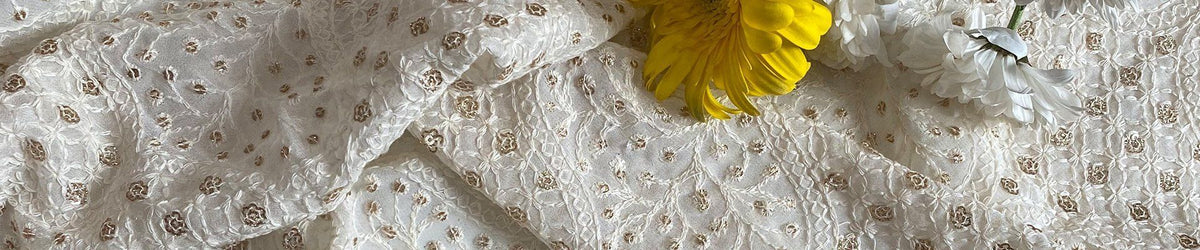
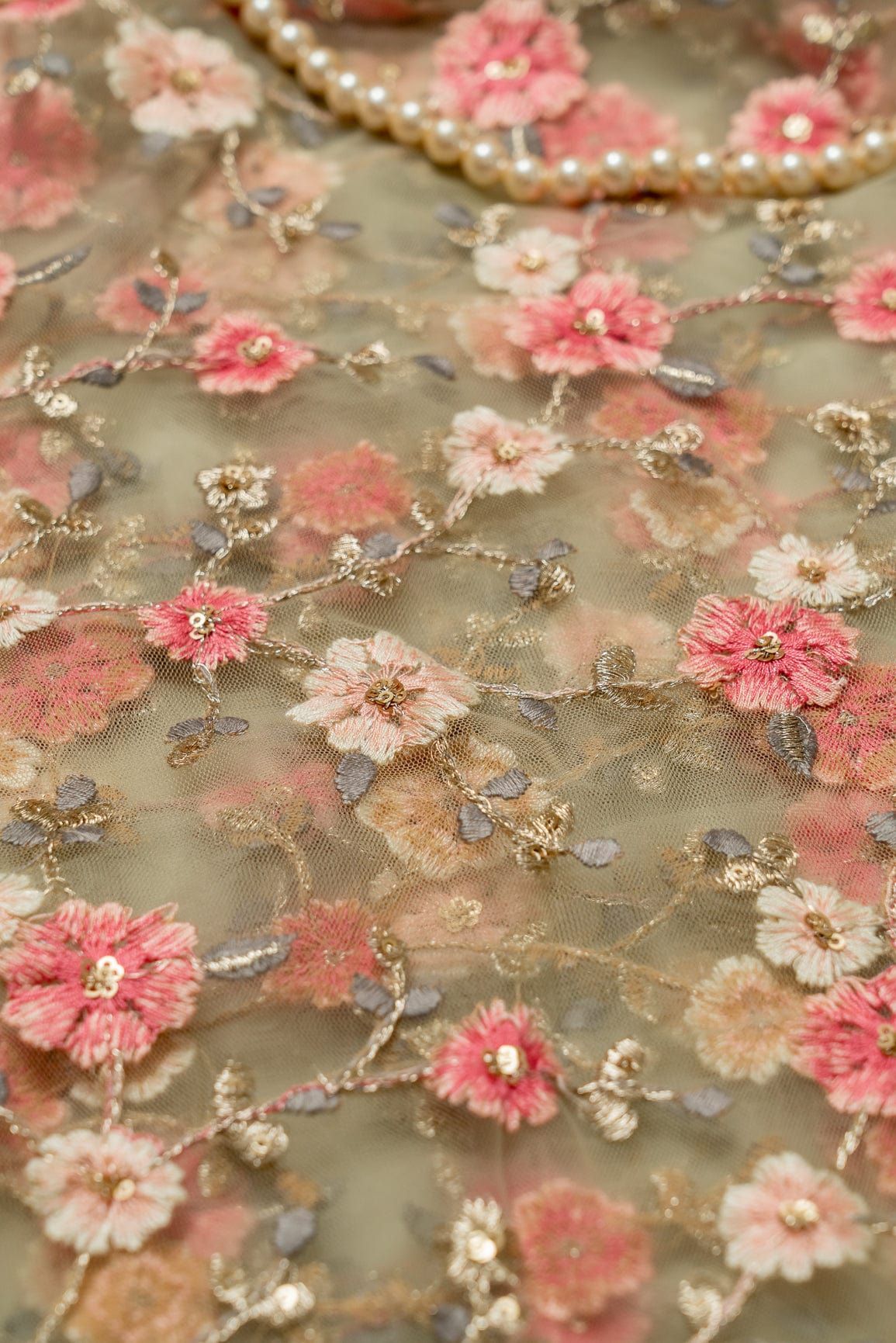
Buying a photograph instead of a specification. A close-up can show the motif while leaving width, composition or repeat unclear. Record the facts your cutting team needs.
Treating wholesale as a fixed policy. Minimums, ordering arrangements and delivery details must be confirmed for the actual enquiry. Do not copy assumptions from another supplier.
Combining fabrics without approving colour. A shared colour name does not prove two materials will match. Decide on a matching or contrast approach before stitching.
Calculating quantity before layout. Borders and directional embroidery can change the cutting arrangement. Have the tailor approve the material use first.
Leaving concerns until after cutting. Inspect against the agreed details when the order arrives. Follow the applicable terms before altering material you need to query.
What should be in the final order confirmation?
The confirmation should identify the selected products, quantities, units, destination and accepted commercial terms. Keep unresolved questions out of a final approval. An order is clearer when both parties can point to the same record.
Where invoicing or business documentation matters, ask what information the seller needs and what will be supplied. Do not infer tax treatment or paperwork requirements from a generic wholesale label. Seek appropriate professional guidance for the boutique's own compliance needs.
FAQ
What should a boutique check before its first wholesale fabric order?
Check product references, composition, usable width, quantities, colour approval and current ordering terms. Have the cutting team confirm that the selected fabric suits the planned garments.
Does fabric wholesale always have a minimum quantity?
Minimum quantities must be confirmed with the seller for the actual order. Do not assume one rule applies to every fabric or supplier.
Can a boutique ask for fabric samples?
A boutique can ask whether a suitable sample or trial arrangement is offered. Confirm the current options rather than assuming samples are part of the service.
How should a boutique calculate fabric quantity?
Use the actual garment patterns, usable width and embroidery layout. Ask the production team to approve the cutting requirement before the order is finalised.
Does a repeat product reference guarantee an exact colour match?
A repeat reference does not by itself guarantee an identical future match. Confirm the relevant colour and batch details when placing the repeat enquiry.
Does Doeraa supply fabric to boutiques?
Doeraa supplies embroidered and dyed fabrics to boutiques and wholesale buyers alongside individual shoppers. Ask for the current details and terms for your selected products and quantities.
One last thing: make the first order teach the second
After the first order reaches production, update the sourcing sheet with the questions that mattered most. Keep verified product details separate from your design preferences. Your next enquiry should become more precise, not simply larger.
Doeraa fabric wholesale suits boutiques seeking embroidered and dyed designs when the buying brief is specific. Begin with the garment and end with a production-ready order record.


Leave a comment
This site is protected by hCaptcha and the hCaptcha Privacy Policy and Terms of Service apply.